
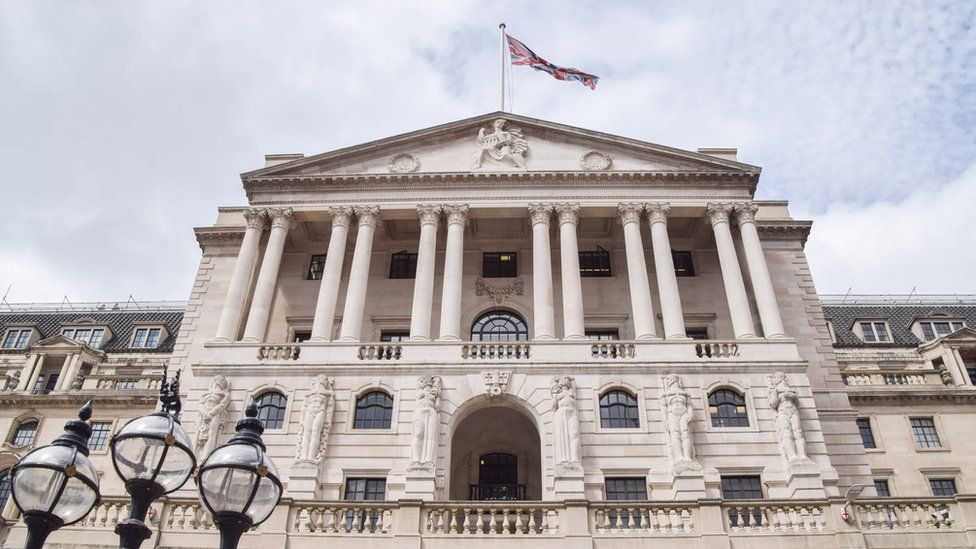
The Bank of England has increased the base interest rate by 0.75% to 3%, the largest hike in over 30 years
In a bid to curb inflation, this was the highest rate increase since 1989.
The Monetary Policy Committee’s (MPC) latest projections described ‘a very challenging outlook for the UK economy’ and said that the UK was in recession, which was expected to last for a prolonged period and CPI inflation would remain elevated at over 10% in the near term.
The Bank warned that GDP is expected to decline by around 0.75% during 2022 H2, in part reflecting the squeeze on real incomes from higher global energy and tradable goods prices, the Bank of England said.
The fall in activity around the end of this year is expected to be less marked than in August, however, reflecting support from the energy price guarantee (EPG). The labour market remains tight, although there are signs that labour demand has begun to ease.
CPI inflation was 10.1% in September and is projected to pick up to around 11% in 2022 Q4, lower than was expected in August, reflecting the impact of the EPG. Services CPI inflation has risen. Nominal annual private sector regular pay growth rose to 6.2% in the three months to August, 0.6 percentage points higher than expected in the August report.
CPI inflation is projected to fall sharply to some way below the 2% target in two years’ time, and further below the target in three years’ time.
Glenn Collins, head of ACCA UK said: ‘Undoubtedly this eighth interest rate rise will further exacerbate the challenges for the UK’s SME community.
‘Accessing finance is hard and is taking longer to access. It is vital to put finance in place well before it’s needed. SMEs across the UK need stability and as much certainty from the Exchequer as it can provide to allow them to effectively plan, recover and grow.’
The negative outlook and threats that the recession could last up to two years led to another fall in the dollar.
Susannah Streeter, senior investment and markets analyst, Hargreaves Lansdown, said: ‘It’s proved to be yet another dismal day for the pound as forecasts of a long recession cast a dark shadow over the UK economy.
‘Sterling dropped by 1.9%, to just $1.116, its lowest level for two weeks, before recovering slightly. Investors have been assessing the bleaker outlook for Britain amid forecasts unemployment could shoot up to just shy of 6.5% by 2025.’
Alpesh Paleja, CBI lead economist, said: ‘The Bank has deployed a bumper rate rise, underscoring the scale of the UK’s inflation challenge. A weakening economy and tighter fiscal policy is set against volatility in global energy prices, stubbornly high inflation expectations and persistent wage pressures.
‘With monetary policy focused on tackling inflation, the government’s immediate priority should be to reinforce markets’ faith in the UK’s hard-won reputation for stability – but fiscal sustainability and growth shouldn’t be an either or choice.
‘The Autumn Statement must learn the lessons of the 2010s: fiscal sustainability and lifting trend growth are both priorities. Alongside protecting the most vulnerable, the government should safeguard capital spending and investment allowances to enable private sector investment to drive future growth.’
Source: https://www.accountancydaily.co/interest-rate-hiked-3